School Program
Early childhood education schools. WeCare-operated pre-primary schools deliver structured, high-quality learning where children aged 3–6 grow academically, socially, and physically — within a joyful and supportive classroom that combines internationally recognised ECD principles with locally relevant content.
Why this program exists
WeCare-operated pre-primary schools provide a safe, nurturing environment where children aged 3–6 grow academically, socially, and physically.
The curriculum integrates internationally recognised early childhood development (ECD) principles with locally relevant content, ensuring every child reaches their developmental milestones within a joyful and supportive classroom.
Program Results
Two active WeCare pre-primary schools delivering structured early childhood education.
Children in the pre-primary window receiving holistic, integrated ECD learning.
Integrated ECD curriculum, milestone tracking, creative play-based learning, social-emotional learning, and school readiness.
Program Gallery
Program Videos
“Children are arriving at primary school more confident and socially ready.”
Program Activities
- Pre-Primary School Operations — two fully operational pre-primary school campuses delivering structured early childhood education to children aged 3–6. Schools maintain quality learning environments equipped with age-appropriate materials, trained teachers, and organised daily routines that balance structured learning with play.
- Integrated Early Childhood Development (ECD) Curriculum — a holistic curriculum that goes beyond academic readiness to encompass children’s physical, emotional, social, and cognitive development. Activities are designed to be developmentally appropriate, engaging, and sequentially structured so that each child progresses meaningfully through the program.
- Developmental Milestone Assessment & Tracking — regular individual assessments monitor each child’s progress across key developmental domains: language and communication, motor skills, social interaction, cognitive development, and self-care. Results are used to tailor support for individual children and communicate progress to families.
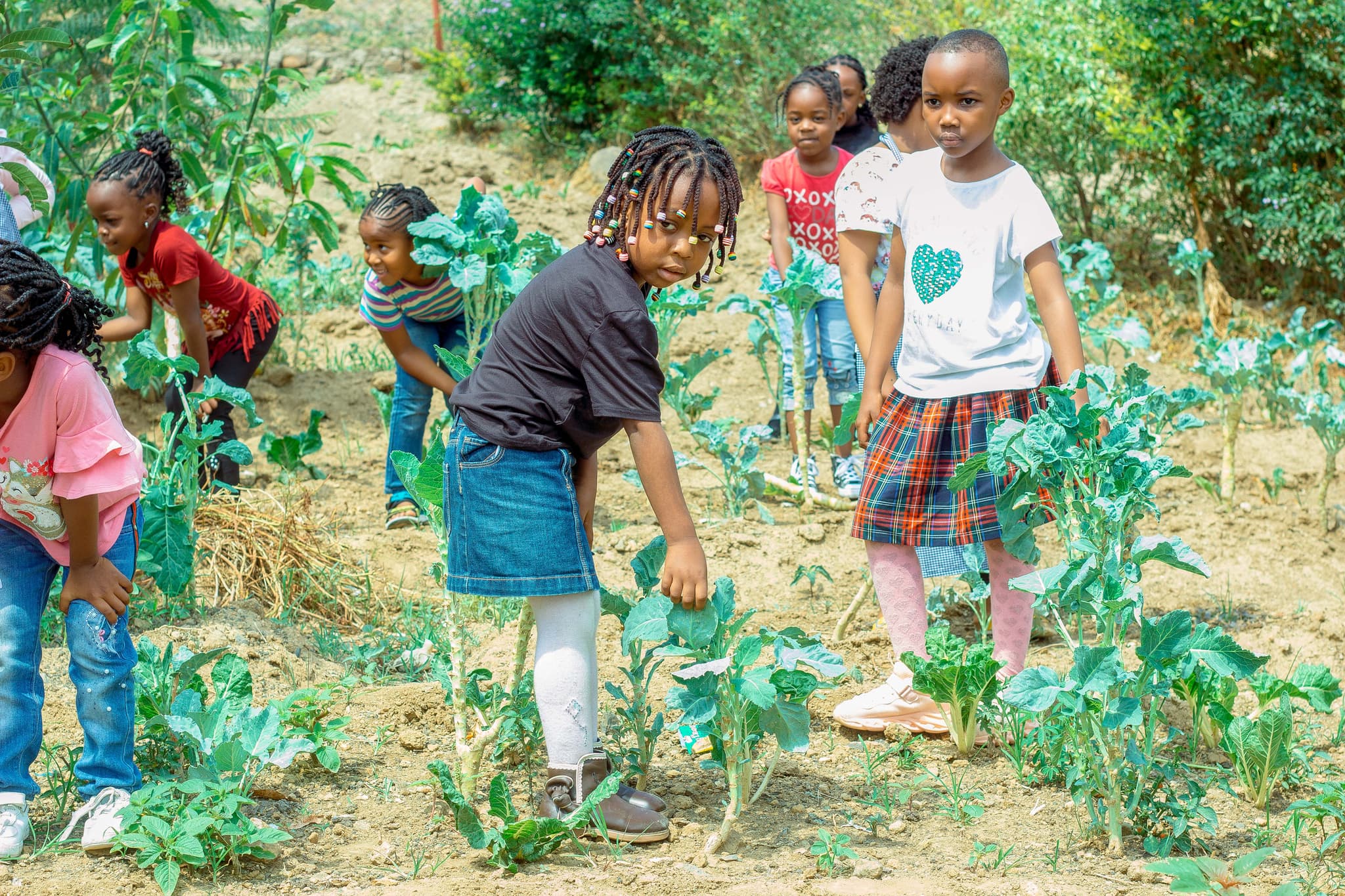
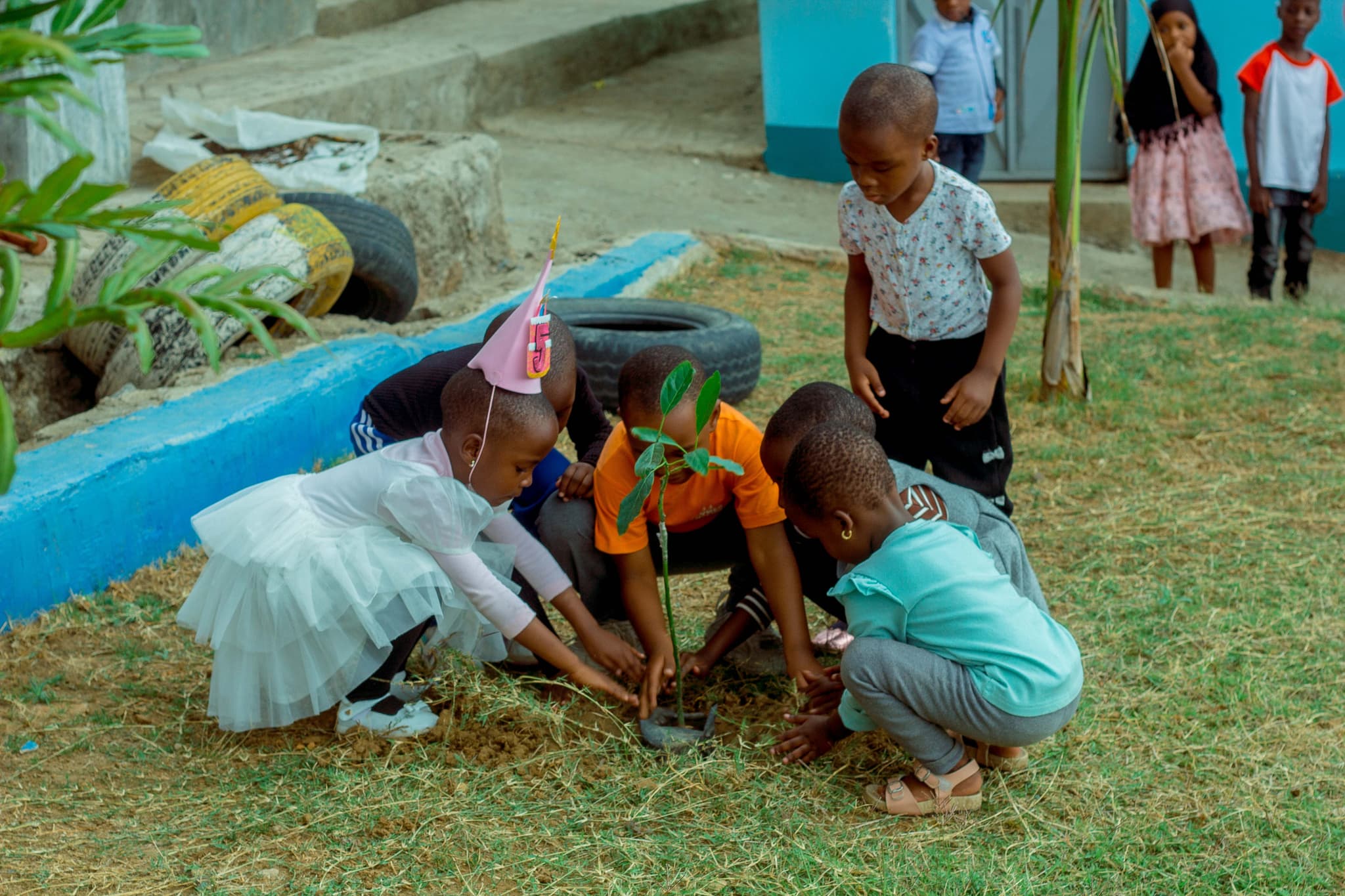
- Creative, Play-Based Learning — classroom activities designed around imaginative play, storytelling, music, arts and crafts, and hands-on exploration. Play-based learning is central to the curriculum philosophy, recognising that children at this stage learn best through guided, purposeful play that stimulates curiosity and creativity.
- Social-Emotional Learning (SEL) Integration — daily activities and teacher interactions are intentionally structured to build children’s emotional literacy, empathy, self-regulation, and ability to form positive relationships. SEL is embedded throughout the school day rather than treated as a standalone subject.
- School Readiness Preparation — structured preparation for children transitioning to primary school, covering pre-reading, early numeracy, following instructions, sitting in groups, and building the confidence and self-management skills needed for successful transition into formal schooling.
- Teacher Training & Ongoing Professional Development — regular training, coaching, and support for classroom teachers and assistants to maintain high-quality delivery of the ECD curriculum. Professional development covers child development knowledge, classroom management, inclusive teaching practices, and reflective teaching approaches.
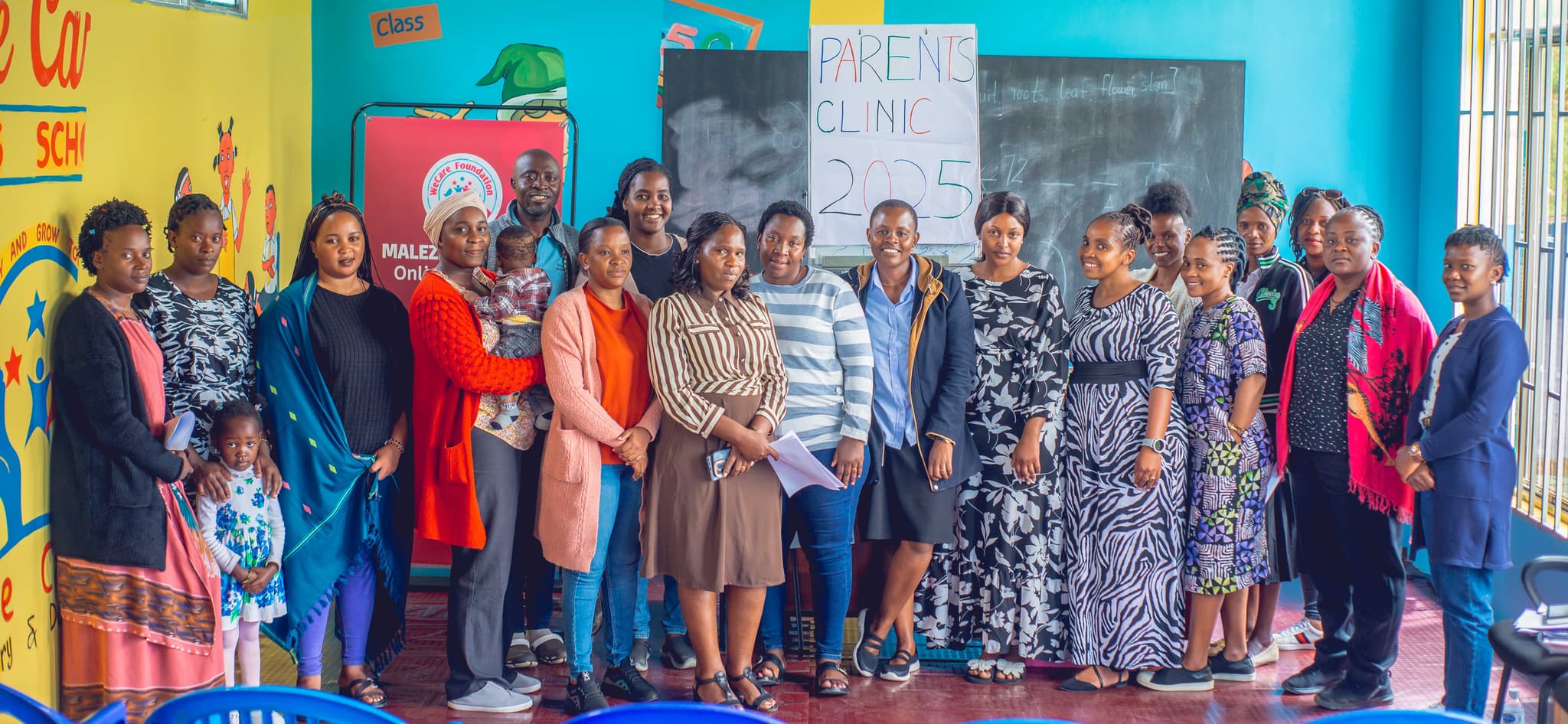
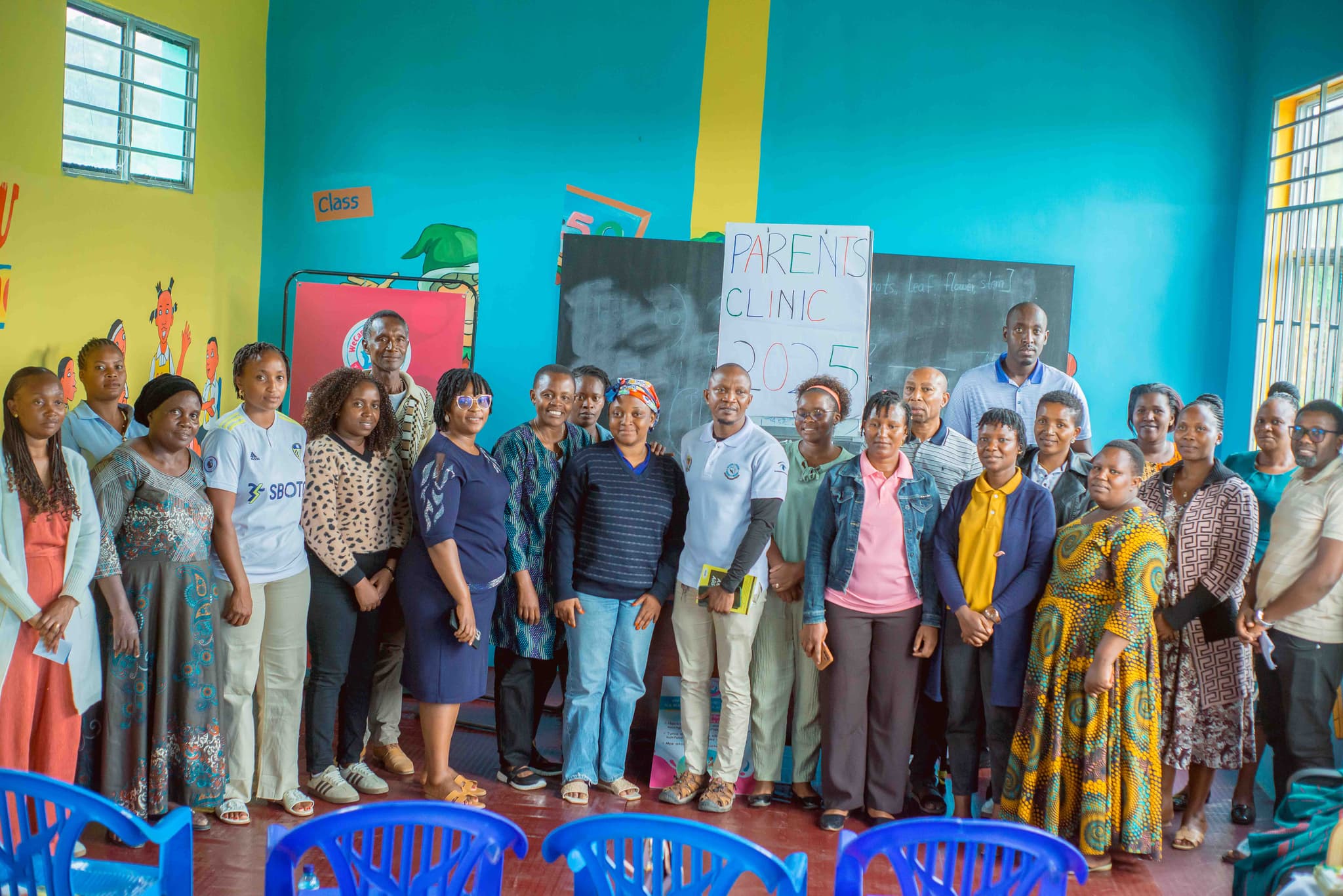
- Parent-School Engagement — structured touchpoints between school staff and families, including progress update meetings, open days, and take-home materials. Parents are treated as active partners in their child’s learning journey, and the school maintains open communication channels to keep families informed and involved.
Program Partners
Support this program
Your support directly funds home visits, caregiver training, and community ECD hubs across the regions we serve.